
How we eat seasonally to save on groceries
One of the biggest tools in my toolbox when it comes to saving money on groceries is eating seasonally. It’s a foreign concept given modern-day grocery stores making it possible to buy tomatoes and strawberries in December, but the truth is that eating seasonally is a much more traditional and affordable way of buying produce.
To be honest, my family doesn’t eat a lot of vegetables. I think we stopped eating as many once we started looking deeper into the nutrient profiles of fruits and vegetables vs meats and other animal products. Meat, especially beef, venison, and fish, has a much denser nutrient profile than vegetables - and because it is closer to the structure our bodies are made of, it is more bioavailable. So as well as cutting back on veg, we’ve also stopped eating food that is out of season.
In-season produce is going to be the most nutrient dense, especially if it is sourced locally. Those tomatoes that are available right now in the grocery store are probably coming thousands of miles away, picked before they ripen, and nutrition-wise, are basically cardboard by the time they get to the store. Let’s be honest, the flavor is similar to cardboard too. There is something absolutely unnatural about eating strawberries in December, but consumerism has convinced us that we must have access to all types of vegetables year-round. Spoiler alert: that’s not true.
Here is a list of produce you should be looking for month-to-month. I highly suggest sourcing as locally as possible, or buying from an online store like Azure Standard, but even just using this as a guide for your grocery store trips is going to benefit you. These foods should be cheaper and more nutrient dense when purchased in season.
Note: These are specific to North America. Other hemispheres will have different foods in season during these months. I highly recommend looking at an in-season guide for your location specifically if you live somewhere else.
December, January and February
Broccoli
Brussels sprouts
Cabbage
Cauliflower
Grapefruit
Kale
Leeks
Lemons
Mushrooms
Orange
Papayas
Parsnips
Pears
Pomegranates
Rutabagas
Sweet potatoes
Tangelos
Tangerines
Turnips
March and April
Artichokes
Asparagus
Lettuce
Pineapples
Radishes
Rhubarb
Spring peas
May
In addition to the produce from March and April:
Apricots
Cherries
Mangoes
Okra
Strawberries
Swiss chard
Zucchini
June
Blueberries
Cantaloupe
Kiwis
Peaches
Watermelon
July
Blackberries
Corn
Cucumbers
Potatoes
Green beans
Kohlrabi
Peppers
Raspberries
Tomatoes
August
Acorn squash
Apples
Butternut squash
Eggplant
Figs
Plums
Summer squash
Winter squash
September, October and November
Beets
Cranberries
Grapes
Persimmons
Spinach
Keeping Produce Through the Seasons
I’m going to touch a bit on preserving here, because it’s important. We are not limited to only the fresh produce in season. I am an AVID canner, and since humans have been preserving food for a while, I think it’s just as traditional to only eat fresh strawberries in May, as it is to eat strawberry jam in December. So, I put up produce throughout the summer that we can enjoy during the rest of the year. Here are some things that I can in particular:
Jams, pie fillings, fruit syrups
Corn
Green beans
Tomatoes via sauce and salsa
Applesauce
Carrots
Fresh vegetables that keep well are a staple in our home. Usually, if the vegetable has a lower moisture content and a thick skin, it keeps well in a cool and dark environment. Veggies we stock up on during the late summer and early fall that last us all winter are:
Potatoes
Sweet potatoes
Carrots
Winter squashes - butternut, spaghetti, acorn
Apples
Asian pears
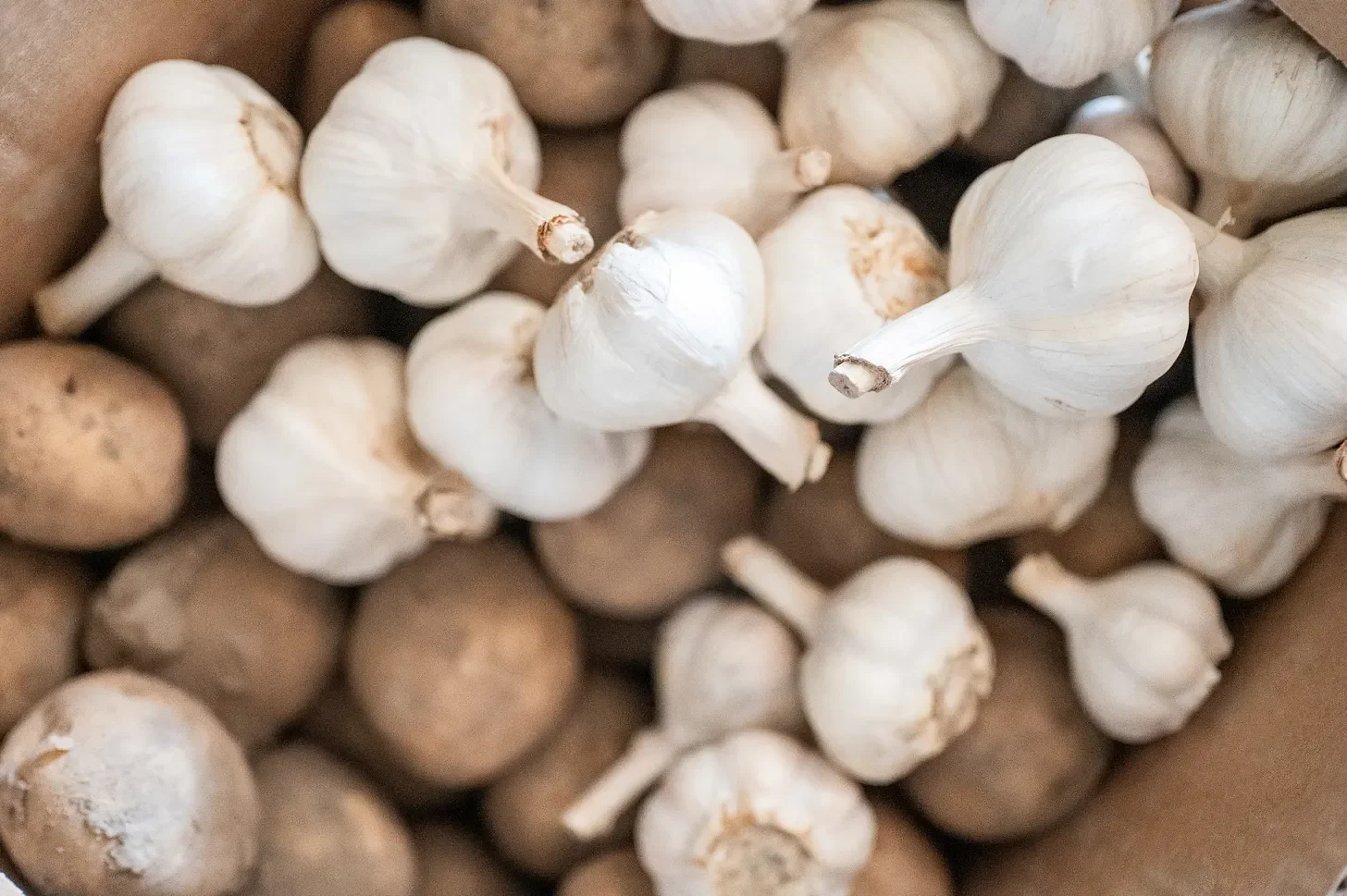
Garlic and onions
Pumpkins
We will keep sweet potatoes and winter squash at room temperature in the dark, and potatoes, carrots, apples and onions in the fridge.
Many vegetables can be frozen as well, if you don’t want to can! Freezing preserves the nutrients very well and can be an excellent preserving option.
I hope this guide helped you figure out how to plan your meals around the seasons. When you first start out, you may feel a bit deprived as you will be aware of what you are missing out, but by the time the seasonal fruits and veggies roll around, you will find that you appreciate them all the more. I truly believe this is how we were made to eat food, and now it’s become second-nature to us. I believe eating seasonally is healthier - the heavier, starchier veggies nourish our bodies for the cold temperatures, and the lighter veggies are just what we need in the warmer weather.
Do you eat seasonally? Let me know what you think of this in the comments!